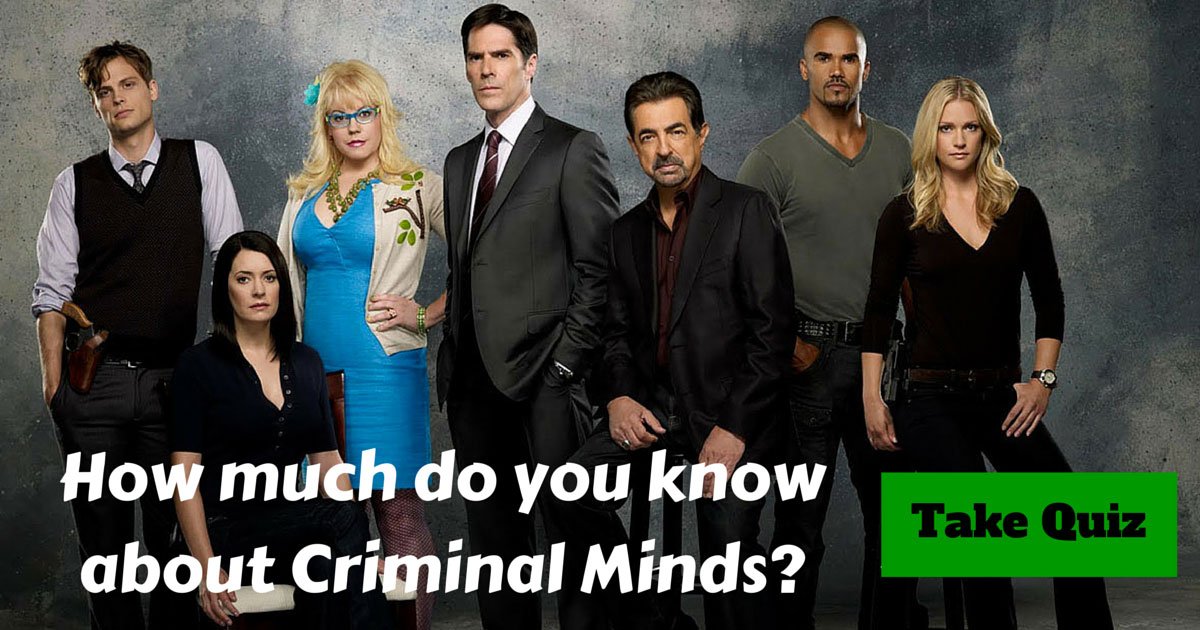
When you think about Criminal Minds Season 3, your mind likely jumps to intensity, iconic episodes, and the dramatic shifts that redefined the BAU. But what about the stories behind the scenes & trivia for Criminal Minds Season 3? The real magic, the unexpected challenges, and the human touches that shaped one of the show's most pivotal seasons often remain hidden, yet they're just as compelling as any unsub's profile.
This wasn't just another season; it was a crucible. From significant cast changes to daring narrative choices, Season 3 presented a unique set of hurdles and triumphs for everyone involved. We're about to pull back the curtain and reveal the untold tales, the trivia, and the sheer effort that went into making this unforgettable chapter.
At a Glance: Season 3's Unseen Stories
- A Major Departure: How the unexpected exit of a key cast member profoundly reshaped the show's direction and the team dynamic.
- The New Guard: The challenges and opportunities in integrating new talent into an established ensemble.
- Balancing Act: The delicate line between maintaining the show's dark, gritty realism and the demands of network television.
- Episode Crafting: The meticulous process of researching and writing the show's famously disturbing—yet always insightful—criminal profiles.
- Unsung Heroes: The vital roles played by the production crew, stunt coordinators, and other departments in bringing the BAU's world to life.
- Fan Connection: The immediate and lasting impact of Season 3's storylines on the passionate Criminal Minds fanbase.
A Tumultuous Turn: The Season 3 Backdrop
Imagine returning to a set buzzing with anticipation, only for a major piece of your creative puzzle to suddenly disappear. That's essentially the landscape for Criminal Minds as Season 3 began production. The second season had ended on a high note, cementing the show's place as a ratings powerhouse with its signature blend of psychological thrills and character-driven drama. But then came the unexpected.
Mandy Patinkin, who brought gravitas and depth to the beloved character of Supervisory Special Agent Jason Gideon, made the difficult decision to leave the show. Citing the dark nature of the content as increasingly disturbing to him personally, his departure midway through Season 3 sent shockwaves through the cast, crew, and dedicated fanbase alike. This wasn't just a recasting; it was a fundamental shift in the BAU's core, forcing writers to re-evaluate character dynamics and plot trajectories on the fly. It also presented a rare behind-the-scenes look at the human toll of portraying such intense material, a testament to the actors' commitment to their roles.
Shaking the BAU: The Gideon Gap and Rossi's Arrival
The void left by Gideon was immense, and filling it was a challenge for both the show's narrative and its production team. How do you replace a character who was the intellectual and emotional anchor for so much of the series? The solution arrived in the form of Senior Supervisory Special Agent David Rossi, played by the incomparable Joe Mantegna.
Mantegna, a veteran actor with a formidable filmography, was a perfect fit, but his integration wasn't without its complexities. The writers had to carefully craft Rossi's backstory, establishing him as a BAU legend who had retired and then returned, giving him an immediate sense of authority while allowing him to grow into the team dynamic. For the actors, it meant adjusting to a new rhythm, a new presence in their tight-knit on-screen family. Stories from the set reveal a warm reception for Mantegna, but also a conscious effort from the cast to make him feel at home while navigating the emotional impact of Patinkin's absence. This delicate transition period is a prime example of the show's ability to adapt and evolve, a crucial trait for any long-running series.
Meanwhile, Paget Brewster's character, Emily Prentiss, who had joined in Season 2, found her footing even more securely in Season 3. With Gideon's departure, other characters naturally stepped up to fill leadership and emotional roles, and Prentiss was a key part of this evolution. You can delve deeper into the evolving character arcs of Prentiss and other team members during this pivotal season.
Crafting the Unsub: The Writing Room's Dark Art
The heart of Criminal Minds has always been its antagonists – the unsubs. Season 3 continued this tradition, presenting some of the most memorable and terrifying serial killers in the show's history. But behind every chilling profile and twisted motive lies a meticulously researched and intensely debated writing process.
The writers' room for Criminal Minds was renowned for its dedication to psychological realism. Before breaking an episode, the team would delve into extensive research on criminology, psychology, and forensic science. They often consulted with real-life FBI profilers, psychologists, and law enforcement officers to ensure the accuracy and plausibility of their cases. This wasn't just about creating suspense; it was about understanding the complex pathologies that drive such heinous acts, offering a glimpse into the darkest corners of the human mind.
Consider episodes like "Lucky" or "True Night." The detailed characterizations of the perpetrators weren't pulled from thin air; they were often composites of various real-world case studies, psychological theories, and societal anxieties. The challenge was to make these unsubs unique enough to avoid repetition, yet grounded enough to be believable. This constant balance between fiction and reality is a hallmark of the show's success and required incredible skill from the writing staff. For more insights, you might be interested in understanding the intricate writing process that brought these complex narratives to life.
Filming the Fear: On Location and Set Challenges
Bringing the grim realities of the BAU's work to the screen demanded immense logistical coordination and creative problem-solving. Criminal Minds was known for its dark, atmospheric aesthetic, and Season 3 was no exception.
Location, Location, Location: While much of the show was filmed on soundstages in Los Angeles, the production team frequently ventured out for on-location shoots to add authenticity. These could range from desolate desert landscapes to bustling urban environments, each posing its own set of challenges, from weather fluctuations to managing public access. Securing the right look for a crime scene or an unsub's lair was paramount to creating the show's signature unsettling tone.
Stunts and Special Effects: Many episodes in Season 3 featured intense action sequences, particularly involving the capture of violent offenders. This required close collaboration with stunt coordinators and special effects teams. From elaborate fight choreography to simulated gunshot wounds and gruesome crime scene recreations, safety was always the top priority. Actors often spent hours training for these scenes, ensuring they looked realistic without compromising their well-being. The effects team worked tirelessly to create convincing, yet not gratuitously graphic, visuals that underscored the brutality of the crimes. These kinds of efforts highlight the unique filming challenges faced by a show of this caliber.
The Power of the Dark: One of the recurring conversations on set revolved around how to maintain the show's dark, moody aesthetic without making it monotonous. Cinematographers and lighting designers played a crucial role, using shadows, selective lighting, and color grading to enhance the psychological tension. They understood that often, what you don't see can be more terrifying than what you do. This careful crafting of the visual language was a collective effort, contributing significantly to the show's enduring appeal.
Character Journeys: Beyond the Profile
While the unsubs provided the immediate drama, the heart of Criminal Minds rested firmly with its ensemble cast. Season 3 pushed these characters, individually and as a unit, to new emotional extremes.
Spencer Reid's Evolving Vulnerability: Matthew Gray Gubler's portrayal of Dr. Spencer Reid continued to be a fan favorite, and Season 3 saw him grappling with lingering trauma from previous seasons, while also showcasing his unparalleled intellect. Gubler often spoke about the challenge of balancing Reid's genius with his social awkwardness and deep empathy, making him relatable despite his extraordinary mind. His subtle facial expressions and body language were often key to conveying Reid's internal struggles without needing dialogue.
Hotch's Leadership Under Duress: Thomas Gibson's Aaron Hotchner remained the stoic, unwavering leader, but Season 3 added layers of personal complexity. His dedication to the job often came at a cost to his personal life, a theme that would continue to define his character. Gibson's nuanced performance allowed Hotch's internal conflict to simmer beneath his calm exterior, making his eventual outbursts or moments of vulnerability all the more impactful.
JJ's Growth: A.J. Cook's Jennifer Jareau, initially the team's media liaison, began to show more of her profiling potential and emotional resilience. This season saw her step up in various situations, hinting at the operational role she would increasingly take on in later seasons. Cook's ability to convey both strength and compassion was vital as JJ navigated the often-horrific scenes and emotional fallout of the cases.
The cast often shared anecdotes about their collaborative process in shaping their characters. They would discuss scenes with writers and directors, offering insights based on their deep understanding of their roles, ensuring authenticity in every interaction and reaction. This collaborative spirit was vital in maintaining the show's compelling character arcs.
The Fan Perspective: Engagement and Reaction
Criminal Minds has always boasted an incredibly loyal and vocal fanbase, and Season 3 provided plenty of fodder for discussion, debate, and emotional investment. The departure of Gideon, in particular, ignited a flurry of online activity. Fans mourned the loss, speculated about the reasons, and eagerly anticipated how the show would recover. The introduction of Rossi was met with cautious optimism, eventually blossoming into widespread acceptance.
Social media, though not as dominant as today, was already a growing force, allowing fans to connect, share theories, and express their reactions in real-time. Message boards and forums buzzed with discussions about specific episodes, character developments, and predictions for future plotlines. This direct engagement often provided valuable feedback to the showrunners, influencing subtle narrative choices or character emphases over time. Fans truly felt a part of the BAU family, experiencing the triumphs and tragedies alongside their beloved profilers. You can often explore popular fan theories that emerged from seasons like this one.
Memorable Moments & Unscripted Magic
Even in a show as meticulously planned as Criminal Minds, moments of unscripted magic or interesting production notes often shine through. Season 3 had its share of these:
- The "Lucky" Episode: This episode, featuring a cannibalistic unsub, is frequently cited by cast and crew as one of the most disturbing they ever filmed. The intensity of the storyline and the grotesque nature of the crimes often left actors feeling emotionally drained, underscoring the immersive nature of their work.
- Balancing Darkness with Levity: Despite the show's grim subject matter, the cast often relied on off-screen humor and camaraderie to decompress. Stories of practical jokes, impromptu singalongs, and shared meals abound, highlighting the close bonds forged between the actors amidst the intense working conditions. This levity was crucial for maintaining morale and preventing burnout.
- The Power of Improv: While scripts were generally followed rigorously, there were instances where actors' natural reactions or ad-libs were kept in, adding an organic layer to the scene. These small, unscripted moments often enhanced the realism and emotional depth of the interactions between the BAU members, making their chemistry even more palpable.
The Unseen Labor: Crew & Production Heroes
It's easy to focus on the faces you see on screen, but Criminal Minds was a massive undertaking, powered by hundreds of dedicated crew members. Season 3, with its high production value and complex storylines, was a testament to their tireless work.
From the camera operators who captured every tense stare and swift movement, to the sound designers who crafted the chilling soundscapes, to the editors who wove together hours of footage into coherent, gripping narratives – every department played an indispensable role. The continuity supervisor, for instance, had the unenviable task of ensuring that everything from props to costumes remained consistent across takes and even multiple filming days, a huge challenge on a show with so many moving parts.
The set designers and prop masters were crucial in creating the realistic crime scenes and the BAU's headquarters. Their attention to detail, whether it was a meticulously arranged murder scene or the clutter on Spencer Reid's desk, added layers of authenticity that immersed viewers in the show's world. These unsung heroes worked long hours, often behind the scenes, ensuring that every element contributed to the high-quality production that fans came to expect.
Looking Back: The Enduring Legacy of Season 3
Season 3 of Criminal Minds was more than just a collection of episodes; it was a pivotal turning point for the series. It proved the show's resilience in the face of major cast changes, solidifying its thematic core and character dynamics in ways that would influence every season thereafter. The introduction of Rossi became a cornerstone, and the growth of characters like Prentiss and JJ showed the series' capacity for internal evolution.
The season deepened the show's exploration of trauma, resilience, and the cost of fighting evil, resonating deeply with audiences. It cemented Criminal Minds' reputation for intelligent, psychologically driven storytelling, distinguishing it from other procedurals. The lessons learned behind the cameras, from adapting to personnel shifts to pushing creative boundaries in writing and production, contributed significantly to the show's longevity and lasting impact on television. Its influence can still be felt, making it a crucial part of the show's overall narrative and the lasting impact of the series as a whole.
Your Next Deep Dive
Season 3 truly marked a coming of age for Criminal Minds, a demonstration of its ability to not just survive, but thrive, through significant change. Understanding the behind-the-scenes stories adds a richer layer to your appreciation of the intricate dance between storytelling, performance, and production.
If you're ready to revisit the gripping cases, profound character developments, and the transformative moments that defined this crucial chapter, make sure to Explore Criminal Minds Series 3. Dive back into the episodes with this newfound knowledge, and you might just discover even more nuances in the BAU's enduring fight against the darkness.